
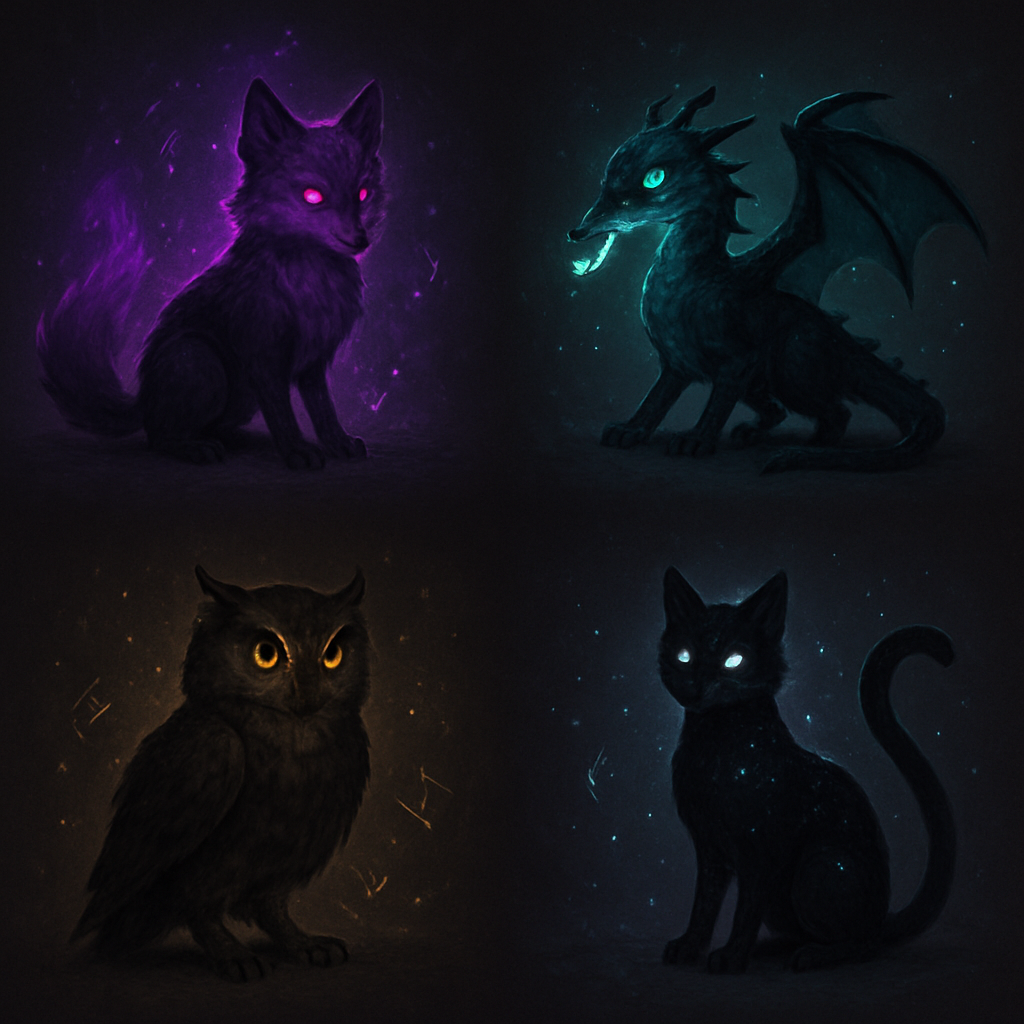
How Bonding Works
Spirits decide the moment
Defeating a bondable creature is only the first step. After the fight, the creature may leave a spirit ball. If the spirit shoots away, move on. If it lingers near the ground, interact with it and hold F to bond.
What happens after success
A bonded familiar goes into your inventory. From there, you can place it in your party, keep it for later, or assign the right spirit to a compatible workstation.
Combat timing
Use bonding tools when an enemy is already low or when you have found a rare target. The important window is short, so do not waste incense while wandering between fights.
Incense and Spirit Charmer
Simple Spirit Incense
Simple Spirit Incense is the early item to carry for familiar hunting. Current guide data lists it as a 20-second bonding boost with a Spirit Dust cost, so treat it as a combat consumable rather than a passive buff.
When to use it
Pop incense when the target is close to defeat, especially for rare colors, stars, or a spirit you need for a workstation.
Luminary support
The Spirit Charmer direction in Luminaries improves spirit lingering chances later. A practical creature-collector route is Hearth progress first, then Bonding progress, then Spirit Charmer nodes.
Party Management at the Hearth
Equip and swap
Familiars are managed near the Hearth. Current gameplay reports use a three-equipped, one-active rhythm, with C used to rotate the active companion.
Heal, revive, rename, level
The Hearth is also where familiar care becomes practical: rename favorites, level them, use pellets for healing, and recover companions after dangerous fights.
Keep extra spirits
Do not treat every extra familiar as trash. Workstations can ask for specific spirit types, so inventory familiars can become production upgrades later.
Rarity, Stars, Celestial, and Shifty
Rarity colors
Familiars use rarity and visual variation to signal value. Common, Rare, Epic, and Legendary appear in current guide coverage, while colors and stars give quick collection clues.
Celestial and Shifty
Celestial familiars are rare visual variants with stronger appeal for collectors. Shifty variants are another color-pattern target worth watching for when roaming.
Best hunting habit
Carry incense, keep healing ready, and do not let your active familiar accidentally finish a different target while you are trying to bond the rare one.
Station Assignment
Why production needs spirits
Some stations can be boosted or activated by assigning a compatible familiar. That makes familiar collection part of crafting progress, not only combat.
Early station examples
Furnace helpers speed up smelting-style work. Spinner progression is a common cloth bottleneck, with Lambloof and Shardling appearing in current station notes. Sawmill, Windmill, Cookers, Witchcraft Circle, and later cabins also make extra familiars valuable.
Practical rule
When exploring a new biome, keep one or two open inventory slots for spirits. A spirit you do not need in combat may be exactly what your next workstation wants.